



Understanding Casinos Where ID Checks Are Mandatory
In the realm of casinos, the safety and security of players are paramount. One of the most critical measures taken to ensure this security is the practice of ID checks. This article delves into the importance of casinos where ID checks are standard practice, providing insights into regulations, the benefits of such systems, and a comparison to Casinos Where ID Checks Are Not Required.
The Purpose of ID Checks in Casinos
When you walk into a casino, the flashing lights and the sound of slot machines create an exhilarating atmosphere. However, behind the scenes, the management is working hard to uphold the law and maintain a safe environment. ID checks serve several crucial purposes:
- Age Verification: Most jurisdictions require patrons to be at least 18 or 21 years old to gamble. ID checks help enforce this law and protect underage individuals from the harmful effects of gambling.
- Fraud Prevention: Casinos are often targets for fraudsters. Verifying IDs helps prevent identity theft and fraudulent activities, safeguarding both the establishment and its customers.
- Responsible Gambling: Many casinos are committed to promoting responsible gambling. By verifying IDs, they can track customer behavior and identify those who may need assistance or self-exclusion.
- Regulatory Compliance: Many jurisdictions mandate ID verification as part of their gaming regulations. Non-compliance can result in hefty fines or loss of licenses.
How ID Checks Are Conducted
ID checks in casinos can vary based on the establishment and location. Typically, they involve the following steps:
- Presentation of ID: Upon entering a casino, visitors may be asked to present a government-issued ID, such as a driver’s license or passport.
- Verification Process: Staff will use tools or software to verify the authenticity of the ID, checking for security features and ensuring that the ID hasn’t been reported as lost or stolen.
- Data Entry: In some cases, casinos may record pertinent data from the ID, such as the individual’s age or identification number. This information is typically stored temporarily to prevent fraud.
Regional Variations in ID Check Policies
ID check policies can vary widely between different regions and countries:

- United States: In the US, it is common for casinos to enforce strict ID checks, especially in states like Nevada, where the gaming industry is closely regulated.
- Europe: Many European casinos also require ID checks, but practices can vary between countries. For example, some jurisdictions may allow greater discretion for staff to determine whether ID checks are necessary.
- Asia: In countries like Singapore, ID verification is heavily enforced in casinos to ensure the safety and security of both patrons and the gaming environment.
Benefits of Enforcing ID Checks in Casinos
The enforcement of ID checks can provide numerous benefits for gaming establishments:
- Enhanced Security: Strengthening security measures protects not only the casinos but also players and staff from criminal activities.
- Building Trust: When players know that a casino is committed to verifying identities, they may feel more secure and willing to gamble.
- Regulatory Benefits: Complying with regulations may lead to better relationships with regulatory bodies, ensuring smooth operations.
Challenges of ID Checks in Casinos
While ID checks are necessary, they are not without their challenges:
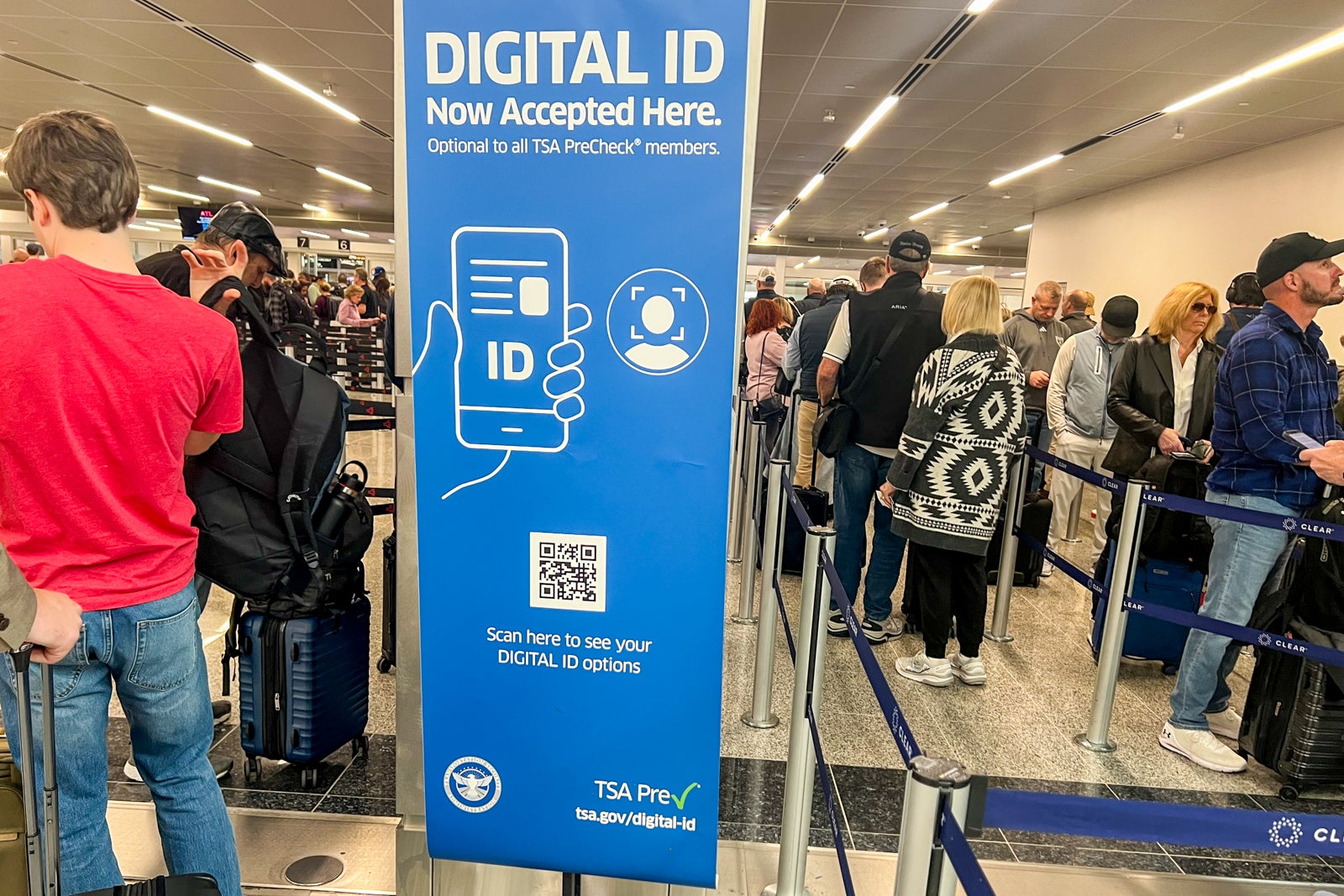
- Customer Frustration: Some patrons may find ID checks intrusive or annoying, leading to a negative experience right from the start.
- Operational Delays: Long lines at entry points due to ID checks can result in delays, potentially deterring customers from entering.
- Costs: Implementing and maintaining ID verification systems can be costly for casinos, especially smaller establishments.
Future Trends in ID Verification
As technology continues to advance, the future of ID verification in casinos is poised for notable changes:
- Digital Identification: With the rise of digital identification solutions, casinos may start accepting virtual IDs through mobile applications, making the process more efficient.
- Biometric Verification: Future casinos may explore biometric verification methods (such as fingerprinting or facial recognition) to streamline ID checks and enhance security.
- Data Analytics: By utilizing big data analysis, casinos could adapt their ID verification systems to recognize patterns of behavior and enhance fraud detection.
Conclusion
ID checks are a necessary component of the casino experience, ensuring both compliance with laws and the safety of patrons. While there are challenges surrounding this practice, the benefits far outweigh the drawbacks. As the gaming industry continues to evolve, so too will the methods of identity verification, leading to enhanced security and a more enjoyable experience for players. For those exploring alternatives, it’s worth considering the differences found in casinos where ID checks are not required, but understanding the importance of regulated environments remains crucial.