


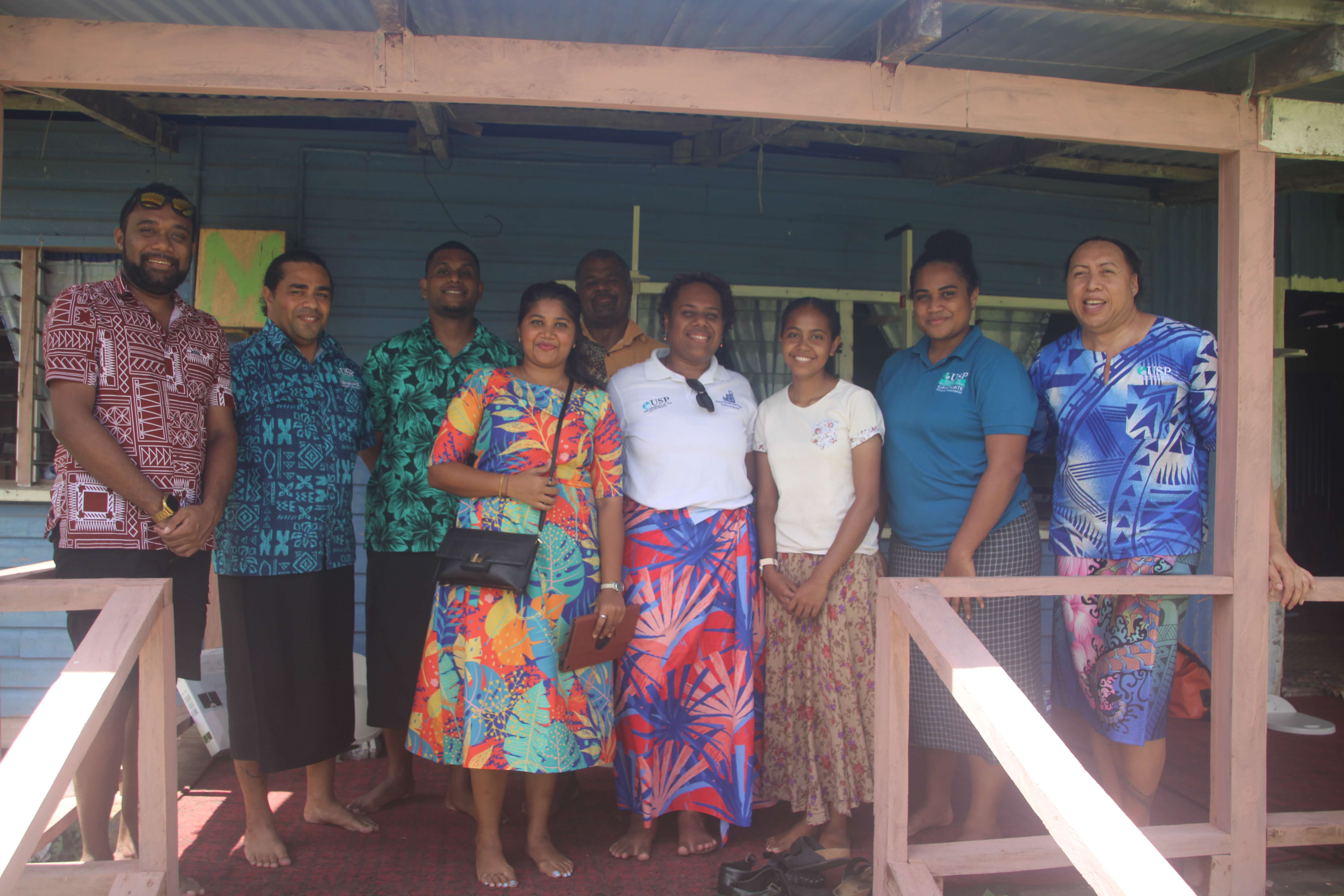
Pacific Communities: Bridging Cultures and Sustaining Traditions
The Pacific Islands are home to a vast array of cultures, languages, and traditions. Each community, with its unique history and identity, contributes to the rich mosaic of the Pacific region. Understanding these communities is crucial not only for appreciating their unique cultural heritages but also for addressing the contemporary challenges they face. The importance of the pacific communities pacific island community cannot be overstated, as it represents the resilience and vibrant diversity of the region.
The Cultural Landscape of Pacific Communities
The Pacific Islands consist of over 20,000 islands, forming about 25% of the Earth’s surface and stretching across vast expanses of ocean. Each island nation, from the majestic Fiji to the tropical Samoa, possesses its own cultural identity shaped by history, geography, and external influences. The indigenous populations, often referred to as the “kanaka maoli” in Hawaii or “tau’pou” in Tonga, have maintained rich traditions that include unique languages, music, dance, and art forms.
Language is a powerful vessel of culture, and in the Pacific, there are over 1,000 different languages spoken. Many of these languages are at risk of extinction due to globalization and the dominance of English. However, various initiatives are underway to revive and preserve indigenous languages, which are crucial for maintaining cultural identity and ancestral knowledge. Efforts like community language nests and bilingual education programs illustrate a commitment to nurturing traditional languages amongst younger generations.
Challenges Facing Pacific Communities
Despite their rich cultural heritage, Pacific communities face numerous challenges. One of the most pressing issues is climate change. Rising sea levels, increased frequency of natural disasters, and changing weather patterns are threatening the livelihood of these island nations. Agriculture, fishing, and tourism, which are the backbone of many economies, are being severely impacted.
Food security is another significant concern. Many communities rely on subsistence farming and fishing. However, erratic weather patterns and pollution are jeopardizing fresh water sources and marine ecosystems, requiring communities to adapt quickly. Traditional practices and knowledge systems regarding food sourcing and resource management are invaluable in this context, offering sustainable solutions grounded in generations of experience.
Community Resilience and Initiatives
In the face of these challenges, Pacific communities have demonstrated remarkable resilience. Empowered by their cultural values, they are actively engaging in sustainable practices and development initiatives. Community-led conservation programs focus on protecting marine and terrestrial environments, while education initiatives aim to raise awareness about climate change and its impact.
Collaborations between local governments, non-governmental organizations, and community groups have been pivotal in addressing issues like renewable energy and sustainable development. For instance, solar energy initiatives are being introduced to provide cleaner and more sustainable power solutions, lessening the dependence on imported fossil fuels.
The Role of Education and Technology
Education plays a crucial role in empowering Pacific communities to confront modern challenges. Schools are integrating traditional knowledge into their curricula, thus validating indigenous wisdom alongside contemporary science. Programming that focuses on environmental stewardship and cultural heritage is crucial for fostering a sense of identity and responsibility amongst youth.
Moreover, technology offers new avenues for growth and innovation. Access to the internet has opened channels for knowledge sharing and communication, enabling Pacific Islanders to connect with the broader world while promoting their cultures. Digital storytelling projects are gaining traction, allowing communities to share their narratives and traditions with a global audience.

International Solidarity and Support
The international community also has a role to play in supporting Pacific communities. Global partnerships aimed at addressing climate change, supporting sustainable development goals, and promoting cultural exchange are vital for enhancing resilience in
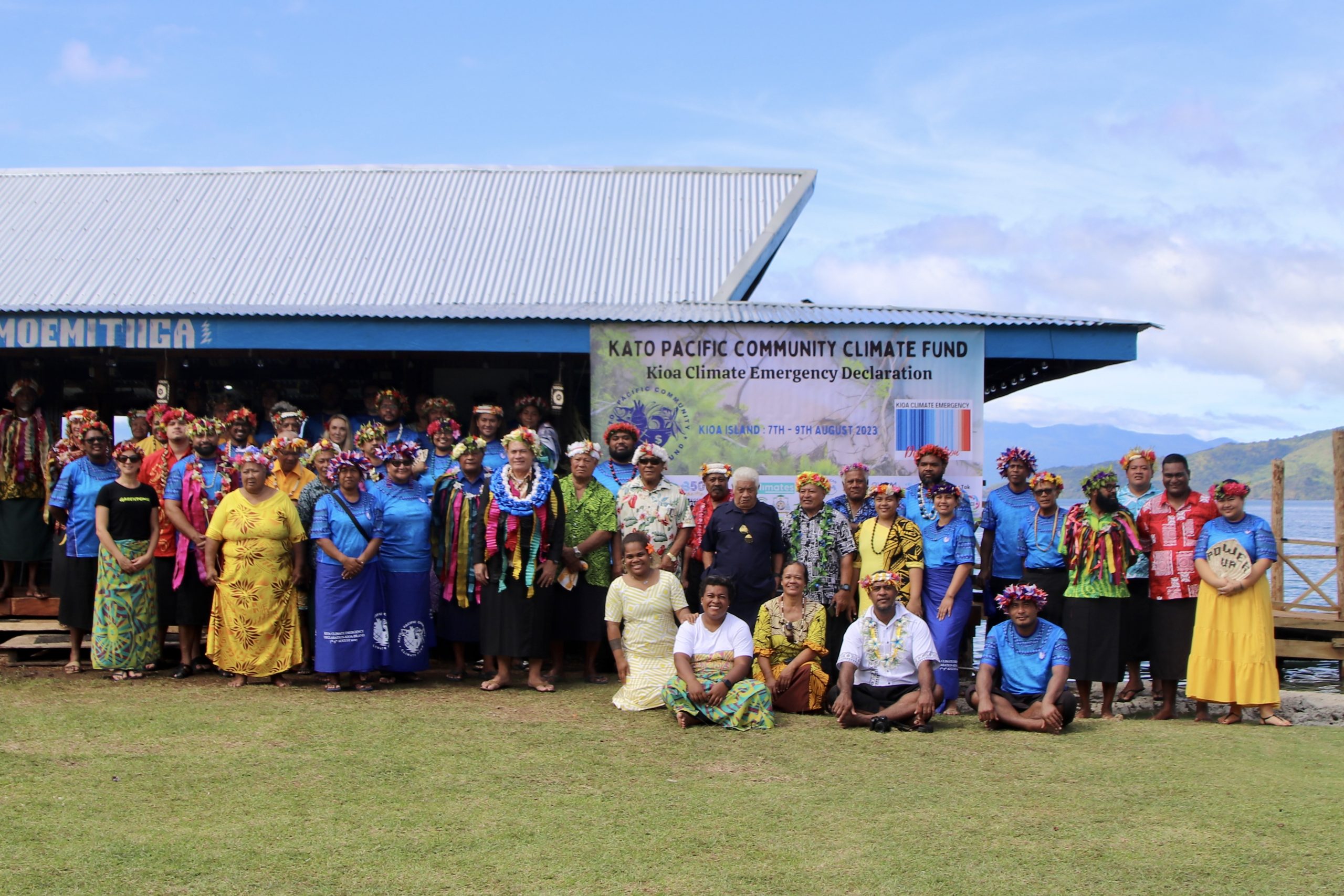
these regions. Organizations focused on indigenous rights and environmental advocacy can provide significant assistance, helping Pacific nations amplify their voices on the global stage.
Funding and resources for climate adaptation and preservation of cultural heritage are crucial for ensuring the survival of these communities. The establishment of international aid frameworks that respect local voices and needs is paramount. Balancing development with cultural preservation will ensure that future generations can thrive without losing their identity.
Conclusion: Celebrating Diversity and Heritage
Pacific communities are not merely geographical entities but dynamic spaces where tradition and modernity coexist. The effort to sustain their cultural heritage while adapting to contemporary challenges is a testament to their resilience and strength. Through education, collaboration, and respect for indigenous knowledge, these communities can navigate the complexities of the modern world while preserving their rich traditions.
Overall, recognizing the intrinsic value of Pacific communities goes beyond mere appreciation of their culture; it involves advocating for their rights, fostering sustainable development, and supporting their quest for self-determination. As the world becomes increasingly interconnected, the stories, traditions, and wisdom of Pacific communities must be celebrated, cherished, and effectively integrated into the global narrative.